HOW IT WORKS
Gas does the pushing
Britannica says an aerosol has a shell, a valve, a dip tube and a liquefied-gas propellant under pressure that breaks the product into fine particles as it escapes.
Inside the canWHAT THE GUIDANCE SAYS
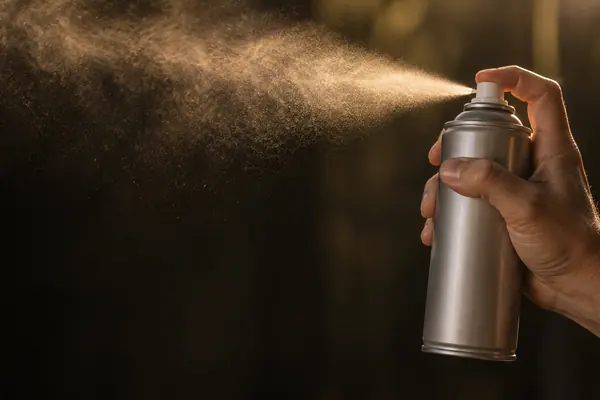
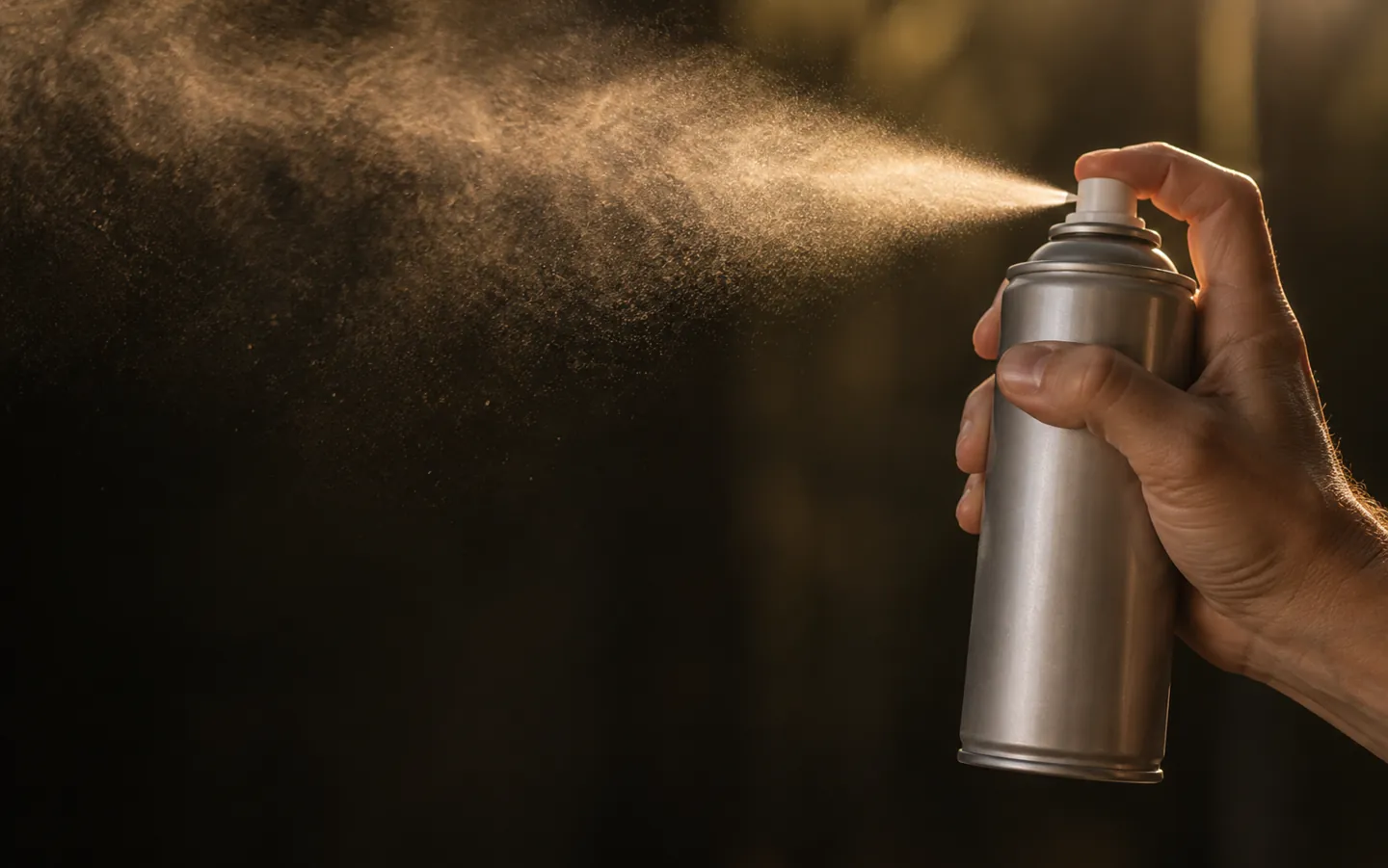
A spray can holds its contents under pressure.
Inside, a liquefied gas pushes the product up a tube and out as a fine mist. When the can is empty, its metal can go round again, and while you spray indoors, a little extra fresh air helps.
EMPTY IT then recycle it
THE SHORT ANSWER
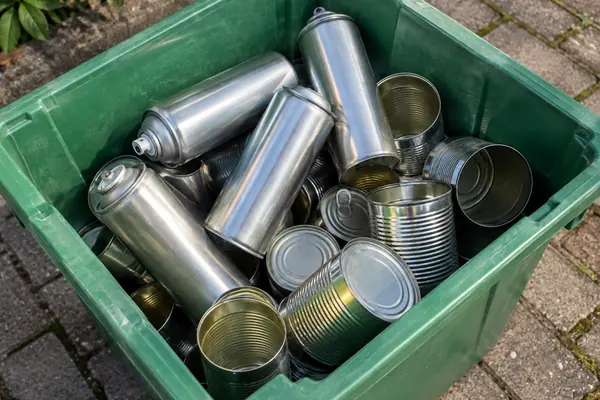
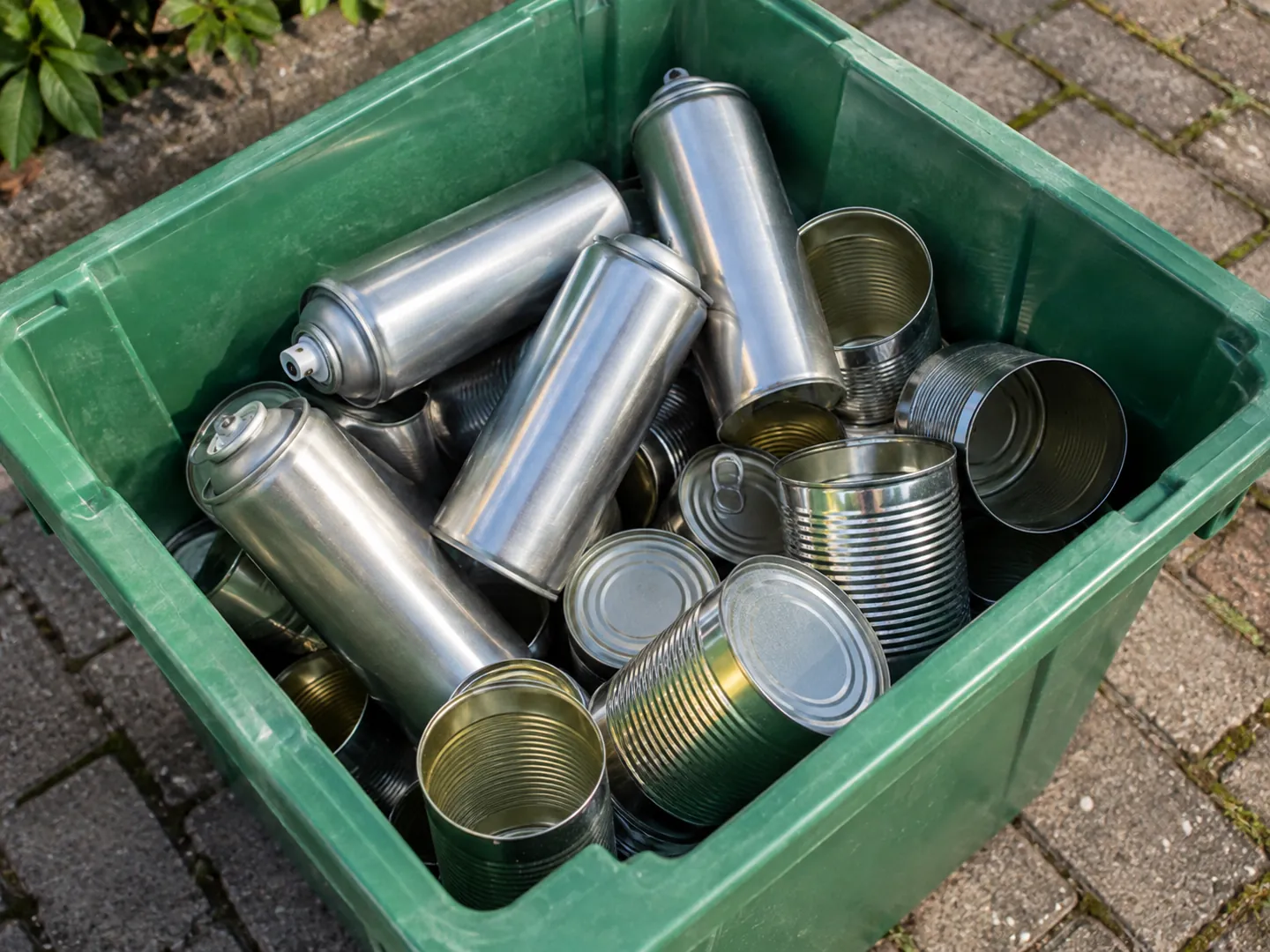
Aerosol cans are metal, and metal recycles well.
Indoors, a little ventilation goes with the spray.
HOW IT WORKS
Britannica says an aerosol has a shell, a valve, a dip tube and a liquefied-gas propellant under pressure that breaks the product into fine particles as it escapes.
Inside the canRECYCLE
Recycle Now says to make sure cans are completely empty, not to pierce, crush or flatten them, and to put them in your household recycling.
Check a canAIR IT OUT
NICE says household sprays, aerosols and paints can worsen indoor air, and people should think about increasing ventilation when using them.
Who should take careA QUICK CAN CHECK
Pick a situation to see what the guidance says. The bar shows how much care it calls for.
Based on Recycle Now advice on aerosols and NICE guideline NG149 on indoor air quality at home. General information, not medical advice.
TWO NUMBERS WORTH KNOWING
One figure on what cans are made of,
one on how often they miss the recycling.
≈ 60%
Aerosols made from tinplated steel
Recycle Now says around 60% of aerosols are made from tinplated steel and about 40% from aluminium. Both metals are recyclable.
MATERIALS · RECYCLE NOW
22%
Households not recycling aerosols
In WRAP's 2022 survey, aerosols were among the everyday items households most often missed, with 22% not putting them in their recycling.
MISSED · WRAP
Recycle Now says that if everyone in the UK recycled one empty air freshener can, enough energy could be saved to run a TV in 273,000 homes for a year.
INSIDE A SPRAY CAN
This is how Britannica describes the parts of an aerosol container and what happens when you press the button.
The can holds the product together with a liquefied-gas propellant under pressure.
A tube runs from the valve down into the liquid product.
Pressing the button opens the valve, and the product and propellant rise up the dip tube and out.
As it escapes into the air, the propellant turns to gas and breaks the product into fine particles.

FROM CFCS TO TODAY
Britannica says the aerosol container was developed in the United States in 1941, originally for dispensing insecticides, and was later adapted for products from cleaning supplies to dessert toppings.
Chlorofluorocarbons were once widely used as propellants. After the US restricted most uses in 1978 over ozone depletion, makers in the US and Europe switched mainly to hydrocarbons and carbon dioxide. The Montreal Protocol, signed in 1987, phases out ozone-depleting substances.
Questions
Yes. Recycle Now says aerosols can go in household recycling once completely empty, and some out-of-home recycling points take them too. Around 60% are tinplated steel and about 40% aluminium, and both metals are recyclable.
No. Recycle Now says not to pierce, crush or flatten aerosol cans. Remove loose parts such as the lid and recycle those as well.
A liquefied-gas propellant under pressure pushes the product up a dip tube when the valve opens. As the propellant vaporises in the air, it breaks the product into fine particles.
NICE says cleaning products, household sprays, aerosols and paints may lead to poor indoor air quality, and that people should think about increasing ventilation when using them.
Britannica says the US restricted most CFC propellant uses in 1978, and makers in the US and Europe replaced them mainly with hydrocarbons and carbon dioxide.
Sources
ABOUT THIS NAME
doodlespray.com is part of the DoodleSale portfolio. It isn't in an auction right now, but you can ask about leasing it.